
Plumbing Designing
Plumbing design is a critical part of MEP (Mechanical, Electrical & Plumbing) engineering, focusing on water supply, drainage, storm water, gas piping, and fire protection systems in buildings. It ensures safe, hygienic, and efficient water distribution and waste disposal.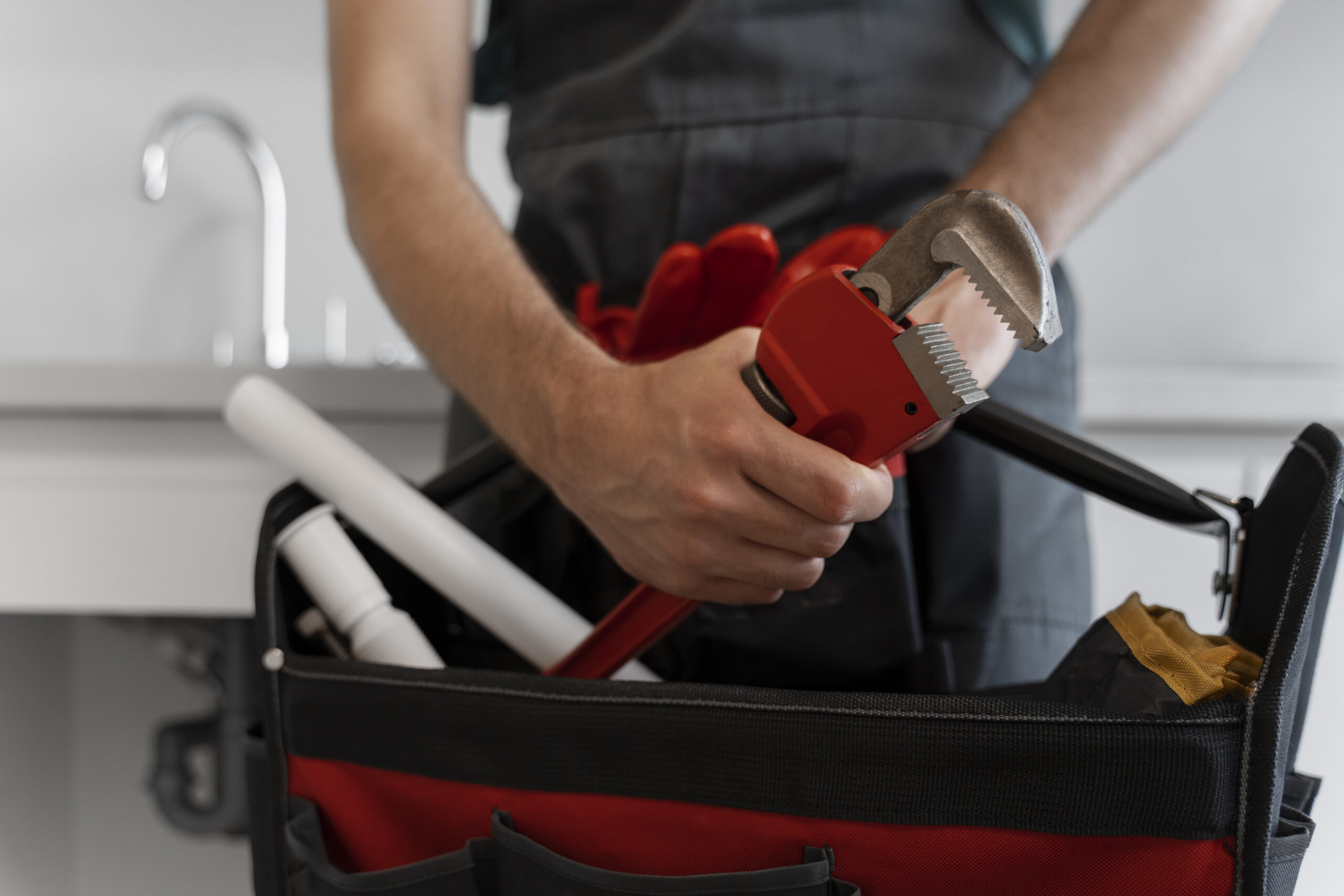
Scope of Plumbing in MEP
Water Supply System
- Domestic cold water (DCW)
- Domestic hot water (DHW)
- Overhead & underground tank sizing
- Pump selection & head calculation
- Pipe sizing & velocity check
- National Building Code of India (NBC)
- Bureau of Indian Standards (BIS)
- Indian Plumbing Association (IPA)
Drainage System
- Soil & waste piping
- Vent piping
- Manhole & inspection chamber design
- STP connection
- Slope calculation (1:40, 1:60 etc.)
- Gravity flow
- Proper venting
- Trap seal protection
- Cleanout locations
Storm Water System
- Roof drain calculation
- Rainwater harvesting
- Downpipe sizing based on rainfall intensity
- Recharge pits
Fire Fighting Plumbing (Wet Services)
- Hydrant system
- Sprinkler piping
- Jockey, Main & Standby pumps
- Fire water storage tank
- National Fire Protection Association (NFPA)
- Tariff Advisory Committee (TAC – India)
Plumbing Design Process in MEP
Step 1 – Load Calculation
- Fixture unit calculation
- Water demand calculation (LPCD basis)
- Simultaneous factor
Step 2 – Pipe Sizing
- Based on flow rate
- Velocity (0.6–2.5 m/s typical)
- Friction loss (Hazen-Williams method)
Step 3 – Pump Head Calculation
Total Head = Static Head + Friction Loss + Pressure Requirement at FixtureStep 4 – Layout Drawings
- Floor plans
- Riser diagrams
- Isometrics
- Shaft coordination
- AutoCAD
- Revit MEP
Deliverables in Plumbing MEP
- Design basis report
- Hydraulic calculation sheets
- Pump selection data
- Schematic diagrams
- Detailed working drawings
- BOQ (Bill of Quantities)
Types of Projects
- Residential buildings
- Commercial complexes
- Hospitals
- Industrial plants
- Hotels & resorts